



HGH Benefits for Muscle Growth, Recovery & Fat Loss (2026 Guide)

In 2026, interest in HGH benefits for muscle growth continues to rise as athletes and fitness-focused individuals prioritize recovery, body composition, and long-term performance over short-term gains. Human Growth Hormone plays a unique role in supporting muscle quality, fat metabolism, and tissue repair, making it a key topic in modern physique science.
In 2026, interest in HGH benefits for muscle growth has increased significantly as athletes, bodybuilders, and fitness enthusiasts focus more on long-term performance rather than short-term size gains. Human Growth Hormone (HGH) plays a unique role in the body by supporting muscle quality, recovery speed, and fat metabolism. Unlike traditional anabolic compounds, HGH works gradually, helping improve body composition over time while supporting overall physical resilience.
This is why HGH is widely researched and discussed in modern fitness science. Whether the goal is muscle development, faster recovery, or improved fat loss, understanding how HGH works can help athletes make smarter, more sustainable decisions.
What Is HGH and Why Is It Important for Athletes?
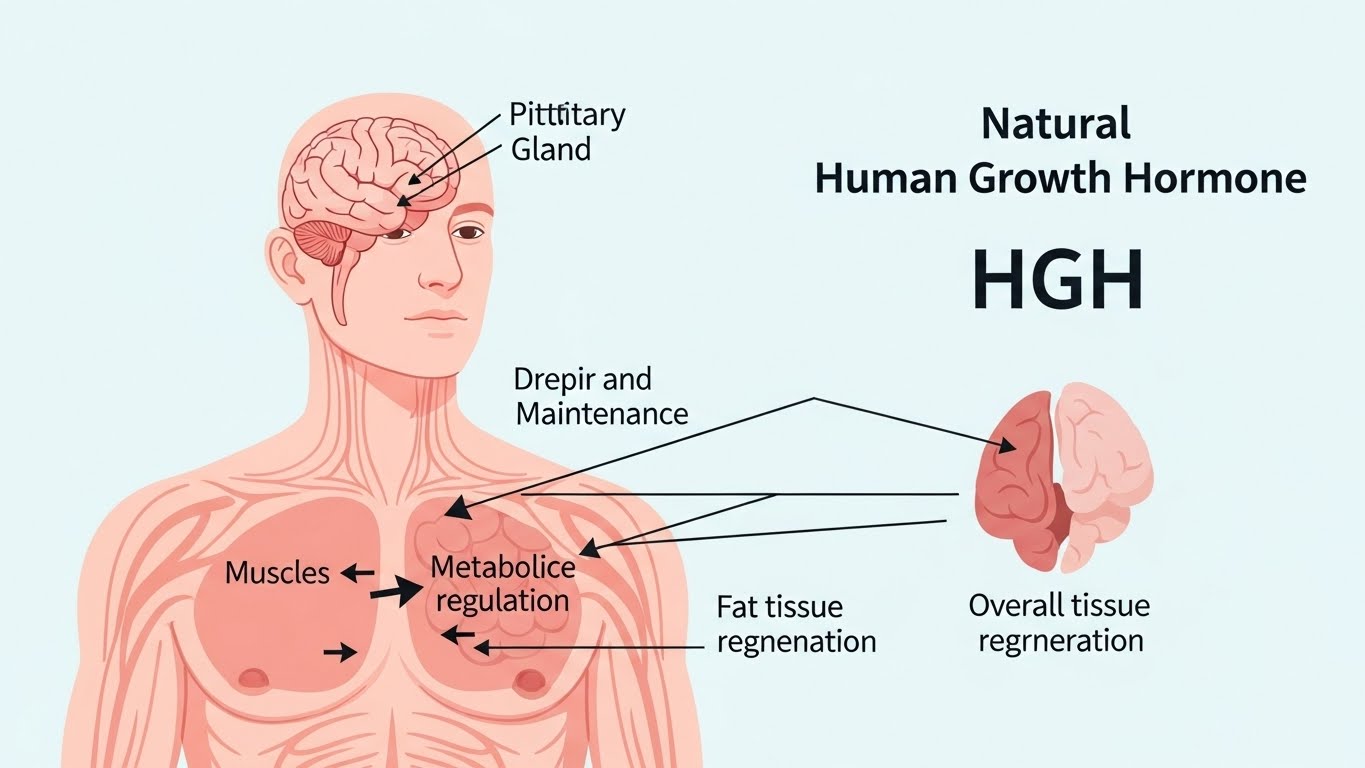
Human Growth Hormone is naturally produced by the pituitary gland and is responsible for growth, tissue repair, and metabolic regulation. During youth, HGH levels are naturally high, which supports muscle development, recovery, and fat control. As people age, HGH production declines, often leading to slower recovery, increased fat storage, and reduced muscle mass.
In fitness and bodybuilding contexts, HGH is valued because it supports cell regeneration and tissue repair, not just muscle size. This makes it especially relevant for athletes who train frequently, lift heavy, or follow long-term training programs.
HGH Benefits for Muscle Growth and Strength Development
When discussing HGH benefits for muscle growth, it’s important to understand that HGH does not directly build muscle the way anabolic steroids do. Instead, HGH creates an internal environment that allows muscles to recover better, stay fuller, and develop higher quality over time.
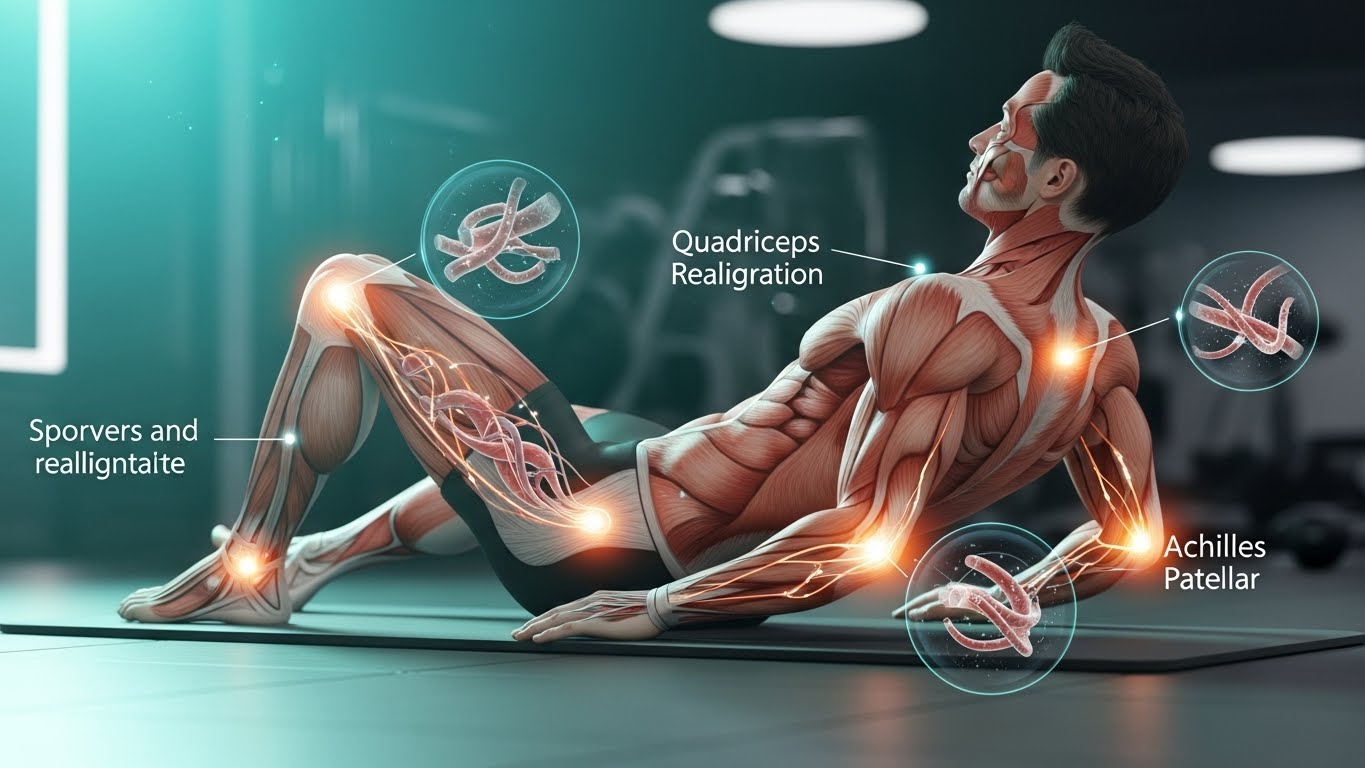
HGH supports muscle growth by increasing satellite cell activity, which helps repair and rebuild muscle fibers after training. It also improves nutrient delivery to muscle tissue and supports collagen synthesis, strengthening muscles, tendons, and connective tissues. As a result, athletes often notice that their muscles feel denser and more mature rather than simply larger.
Many athletes describe HGH-supported muscle growth as slow but consistent, making it ideal for long training phases where sustainability matters more than rapid changes.
HGH and Recovery: Why Athletes Value It in 2026
One of the strongest HGH benefits is its impact on recovery. In 2026, recovery is considered just as important as training intensity. Without proper recovery, progress stalls and injury risk increases.
HGH helps the body recover by:
- Supporting faster muscle repair
- Reducing accumulated soreness
- Improving joint and tendon resilience
- Enhancing tissue regeneration
Because HGH increases collagen production, athletes often report improved joint comfort and better tolerance for high-volume or heavy training programs. This makes HGH especially appealing to older lifters and advanced athletes who train consistently throughout the year.
HGH Benefits for Fat Loss and Body Recomposition
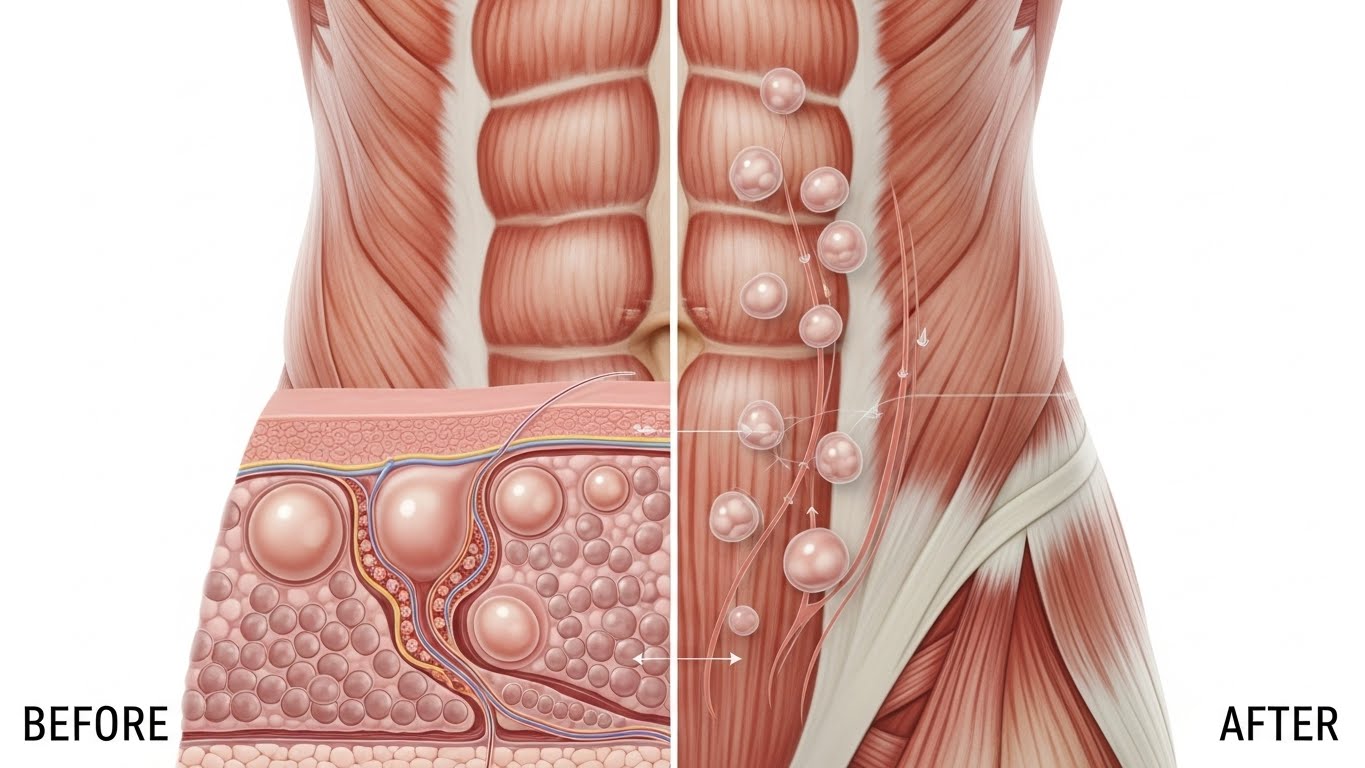
Another major reason athletes research HGH is its role in fat metabolism. HGH stimulates lipolysis, a process in which stored fat is broken down and used for energy. Unlike stimulant-based fat burners, HGH does not rely on nervous system stimulation, making its fat-loss effects more gradual and sustainable.
HGH benefits for fat loss include:
- Improved use of fat as an energy source
- Reduced fat storage over time
- Better muscle preservation during calorie deficits
This is why HGH is commonly discussed in body recomposition phases, where the goal is to lose fat while maintaining or improving muscle quality.
Body Composition Changes Associated With HGH
Rather than dramatic scale changes, HGH tends to improve overall body composition. Athletes often notice subtle but meaningful improvements, such as a tighter waistline, improved muscle fullness, and a more balanced physique.
These changes occur because HGH enhances the body’s ability to partition nutrients, directing more energy toward muscle repair and less toward fat storage. Over time, this leads to a leaner and more athletic appearance.
HGH and Sleep Quality: An Overlooked Performance Benefit
Sleep quality plays a crucial role in muscle growth and recovery, and HGH is closely associated with deep sleep cycles. The body naturally releases HGH during deep sleep, which is why poor sleep can negatively affect recovery and physique progress.
Athletes often associate HGH support with:
- Deeper sleep
- Improved morning recovery
- Better training readiness
Better sleep enhances hormonal balance, recovery, and long-term performance, making this benefit especially valuable for serious athletes.
HGH vs Traditional Muscle-Building Compounds
| Feature | HGH | Traditional Anabolics |
|---|---|---|
| Muscle Gain Speed | Slow & steady | Fast |
| Recovery Support | Very high | Moderate |
| Fat Loss Support | Strong | Variable |
| Muscle Quality | Dense, long-term | Size-focused |
| Joint & Tissue Health | Excellent | Limited |
This comparison highlights why HGH is often used for long-term physique development rather than short, aggressive cycles.
Who Can Benefit Most From HGH in 2026?
From a fitness perspective, HGH is most suitable for:
- Athletes training year-round
- Individuals focused on recovery and longevity
- Body recomposition goals
- Older lifters managing recovery limitations
- Physique athletes prioritize muscle quality
HGH is not about fast results—it’s about building a stronger foundation for consistent performance.
Conclusion
When evaluating HGH benefits for muscle growth in 2026, it becomes clear that HGH offers a unique advantage compared to traditional performance compounds. Rather than promoting rapid size increases, HGH supports muscle quality, recovery efficiency, and fat metabolism over time. For athletes who value sustainability, improved recovery, and long-term physique development, HGH remains one of the most researched and respected tools in modern fitness science.

